Managing Light Exposure and Photoperiods in Vertical Gardening Structures
By Website Factory Editorial Team · 1639 words
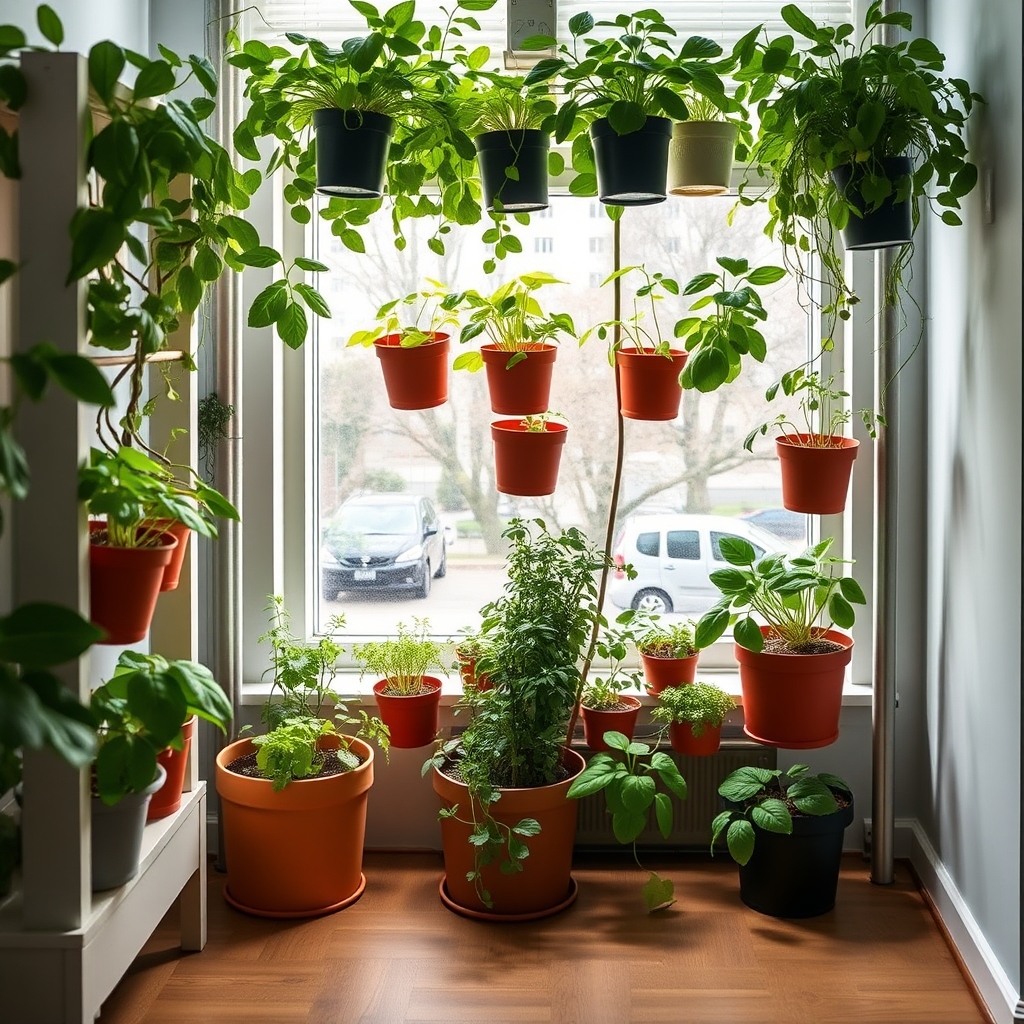
Managing Light Exposure and Photoperiods in Vertical Gardening Structures
In the realm of evidence-based small-space gardening, verticality is often the solution to limited square footage. However, moving plants from a horizontal plane to a vertical one introduces a complex variable: light distribution. When you stack plants, you are no longer dealing with a uniform field of light; you are managing a three-dimensional light environment where shadows, varying intensities, and shifting angles dictate plant health.
To answer the core question—how can I manage light exposure and photoperiods when using vertical gardening structures?—you must approach the problem through three lenses: spatial orientation (managing sunlight exposure), temporal control (managing photoperiods), and environmental compensation (supplemental lighting).
Context and Decision Criteria
Vertical gardening structures, whether they are wall-mounted pockets, tiered shelving, or hydroponic towers, fundamentally alter the way light reaches the photosynthetic surfaces of your plants. In a traditional garden bed, light is relatively consistent across the surface. In a vertical system, the top tier may receive direct solar radiation, while the bottom tier sits in a permanent shadow cast by the layers above.
Understanding Vertical Gardening Sunlight Exposure
Sunlight exposure in vertical systems is rarely uniform. The primary challenge is the "shading effect." As the sun moves across the sky, the geometry of your structure creates moving shadows. To manage this, you must evaluate your site based on the following criteria:
1. Solar Path Mapping: Observe your vertical structure at 9:00 AM, 12:00 PM, and 3:00 PM. Note which tiers are in direct sun and which are shaded.
2. Light Gradient Assessment: Recognize that light intensity decreases significantly as you move away from the light source. In a vertical wall, the "top-down" light gradient is the most common issue.
3. Leaf Orientation: Plants in vertical systems often have different leaf angles than those in ground beds. This affects how they intercept light.
The Role of Photoperiodism in Small Gardens
Photoperiodism refers to the physiological reaction of organisms to the length of night or a dark period. In small-space gardening, managing the photoperiod is critical because vertical structures often exist in microclimates (such as balconies or indoor corners) where natural light cycles may be inconsistent or artificially extended by nearby streetlights or indoor ambient light.
If you are growing flowering vegetables or specific herbs, an inconsistent photoperiod can trigger premature flowering or prevent it altogether. Managing this requires precise control over the "dark period," ensuring that plants receive the uninterrupted darkness they require to regulate their biological clocks.
Evidence-Based Options for Light Management
When designing or maintaining a vertical garden, you have several evidence-based strategies to ensure all plants receive adequate energy for photosynthesis.
1. Microclimate Management in Urban Gardens
Urban environments create unique microclimates. A vertical garden placed against a brick wall will retain heat, potentially increasing the transpiration rate of plants in the sun-drenched upper tiers. Conversely, the lower tiers may become damp and cool due to lack of airflow and light.
Management Strategies:
- Tiered Plant Selection: Place sun-loving, drought-tolerant species (like rosemary or succulents) in the upper, high-exposure tiers. Place shade-tolerant, moisture-loving species (like lettuce or ferns) in the lower, shaded tiers.
- Airflow Integration: Vertical structures can trap pockets of stagnant air. Ensure your structure allows for air movement to prevent fungal issues in shaded zones.
2. Supplemental Lighting for Indoor Plants
If your vertical structure is indoors or in a shaded urban nook, natural sunlight will likely be insufficient. Supplemental lighting is not just an option; it is often a requirement for maintaining high-density vertical yields.
Types of Supplemental Light:
- LED Grow Lights: These are the gold standard for vertical gardening due to their low heat output. Heat is a major concern in vertical systems because heat rises, potentially scorching plants in the top tiers. LEDs allow for targeted spectrum delivery (blue for vegetative growth, red for flowering).
- Fluorescent Lighting: While less efficient than LEDs, T5 fluorescent tubes are excellent for providing even, diffused light across wide vertical surfaces, making them ideal for leafy greens.
3. Reflective Surfaces
In tight urban spaces, you can augment natural light by using reflective materials. Placing white or reflective surfaces behind or around your vertical structure can bounce ambient light into the shaded lower tiers, effectively increasing the "light footprint" of your available sunlight.
Practical Step-by-Step Method for Optimizing Light
To implement an effective light management plan for your vertical garden, follow this systematic approach:
Step 1: The Light Audit
Before planting, conduct a 48-hour light audit. Use a light meter (or a smartphone app designed for PAR/Lux measurement) to record the light levels at different heights of your structure.
- High Light Zone: >6 hours of direct sun.
- Medium Light Zone: 3–6 hours of sun or bright indirect light.
- Low Light Zone: <3 hours of sun or deep shade.
Step 2: Strategic Planting (The Zonal Approach)
Do not treat your vertical garden as a single unit. Treat it as a series of distinct ecological zones based on your audit.
- Zone A (Top): High light/High heat. Plant peppers, tomatoes, or Mediterranean herbs.
- Zone B (Middle): Moderate light. Plant beans, cucumbers, or larger leafy greens.
- Zone C (Bottom): Low light/Higher moisture. Plant spinach, arugula, or mint.
Step 3: Install Supplemental Lighting (If Needed)
If your "Low Light Zone" is too dark for even shade-tolerant plants, install supplemental lighting.
- Mounting: Attach LED strips or bars directly to the underside of the tier above to provide "down-lighting" to the tier below.
- Timer Integration: Use a programmable timer to ensure a consistent photoperiod. For most leafy greens, a 12–16 hour light cycle is standard, but always ensure the plants receive a period of total darkness to prevent stress.
Step 4: Monitor and Adjust
As plants grow, their canopy will expand, creating new shadows. Re-evaluate your light levels every month. You may need to prune lower leaves to allow light to penetrate deeper into the structure or adjust the height of your supplemental lights.
Common Mistakes and Safety Limits
Managing light in a vertical space is a balancing act. Overcorrecting can lead to plant death just as easily as under-lighting.
The "Heat Trap" Error
One of the most common mistakes is placing high-intensity supplemental lights too close to the plants. In a vertical structure, heat accumulates at the top. If you combine high ambient temperature with high-intensity grow lights, you risk "cooking" the root systems and foliage.
- Safety Limit: Always maintain a minimum distance between light sources and foliage, as specified by the manufacturer, and monitor the temperature of the soil/growing medium.
Neglecting the Photoperiod
Leaving supplemental lights on 24/7 is a frequent error. Plants require a dark period to complete essential metabolic processes. Constant light can lead to stunted growth and physiological exhaustion.
- Safety Limit: Ensure a minimum of 6–8 hours of uninterrupted darkness for most species.
Over-Fertilizing in Low Light
When plants receive less light, their metabolic rate slows down. A common mistake is to continue a heavy fertilization schedule. In low-light vertical tiers, excess nutrients can lead to salt buildup in the container, as the plant is not consuming water and nutrients at a high rate.
- Management Tip: Adjust your fertilization frequency based on the light zone. Lower light zones require less frequent or more diluted nutrient applications.
Frequently Asked Questions
Q: Can I use standard household LED bulbs for my vertical garden?
A: While standard LEDs provide some light, they often lack the specific blue and red wavelengths required for optimal photosynthesis. For serious production, use "full-spectrum" grow lights designed for plants.
Q: How do I know if my vertical garden is getting too much light?
A: Look for signs of leaf scorch (brown, crispy edges), bleaching (leaves turning pale or white), or premature wilting despite moist soil. This indicates light stress or heat stress.
Q: Does the color of my vertical structure affect light exposure?
A: Yes. Dark-colored structures (black or dark green) absorb more heat, which can increase the temperature of the growing medium. Light-colored structures (white or tan) reflect more light and stay cooler, which can be beneficial in high-sunlight environments.
Q: How does vertical gardening affect water needs in relation to light?
A: Higher light exposure increases transpiration (water loss through leaves). Therefore, your top tiers will likely require much more frequent watering than your bottom tiers. This is a critical component of microclimate management.
Q: Can I grow root vegetables in a vertical structure?
A: It is possible, but challenging. Root vegetables require significant depth and consistent moisture. In a vertical system, the light-driven evaporation in upper tiers can dry out the soil too quickly for root development. If growing roots, ensure the containers are deep enough and the light exposure is moderate to prevent rapid drying.
Q: How often should I rotate my vertical containers?
A: If your structure is not fixed to a wall (e.g., a tiered rolling cart), rotating the containers every week can help ensure even light distribution across all sides of the plant, preventing "legginess" on the shaded side.
Summary Table: Vertical Light Management
---
Sources
- https://extension.umd.edu/resource/growing-vegetables-containers
- https://extension.illinois.edu/container-gardens/fertilizing