The Science of Small-Space Soil: Ideal Composition for Container Garden Success
By Website Factory Editorial Team · 1635 words
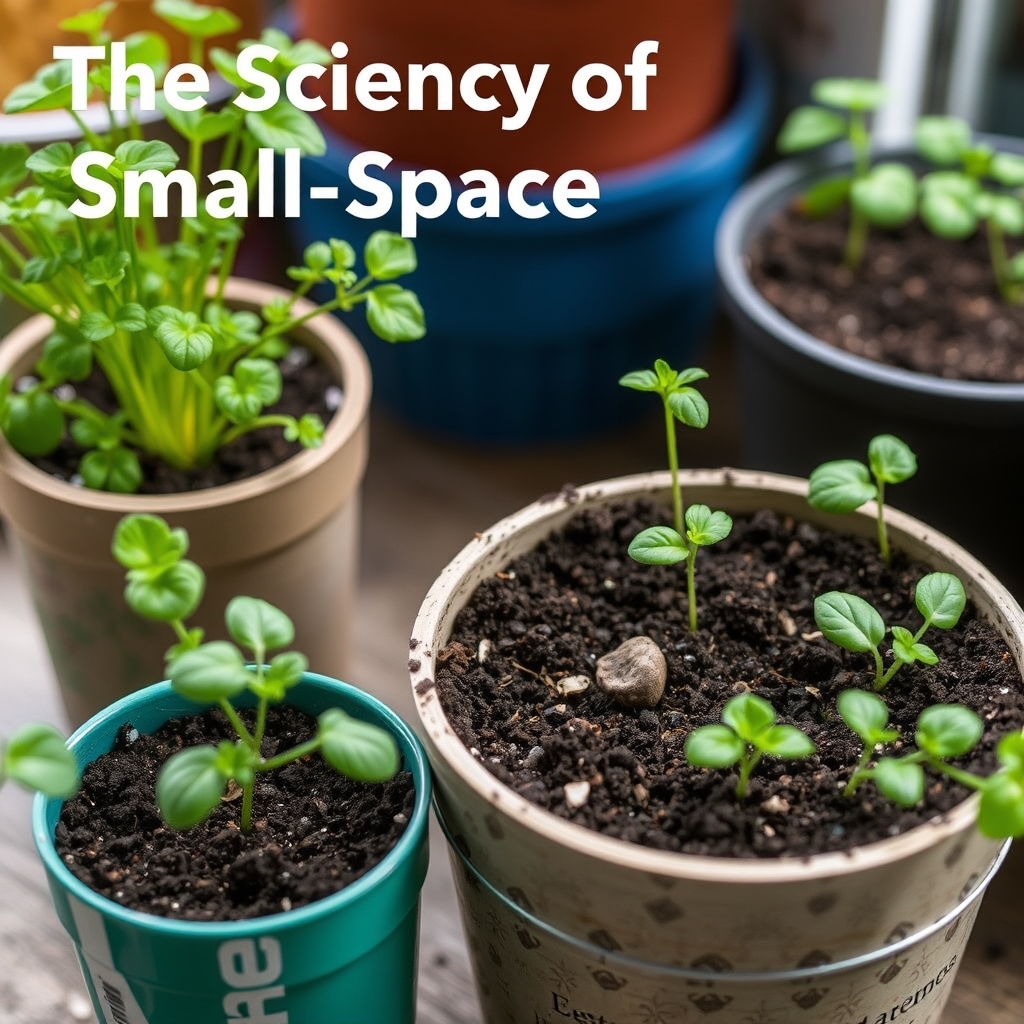
The Science of Small-Space Soil: Ideal Composition for Container Gardens
When gardening in small spaces, the most critical decision you make is not which plant to buy, but what medium you place it in. In a traditional in-ground garden, the earth provides a vast, buffered ecosystem of minerals, microbes, and moisture-retention capabilities. In a container, however, you are creating a closed, artificial ecosystem. Because the volume of substrate is limited, the margin for error is significantly smaller.
To answer the primary question: The ideal soil composition for maintaining plant health in small container gardens is a lightweight, well-draining, porous medium—commonly referred to as a potting mix—that is high in organic matter and specifically engineered to prevent compaction while facilitating aeration.
Using the wrong medium can lead to rapid plant decline through root suffocation, nutrient deficiencies, or salt buildup. This guide explores the evidence-based requirements for container substrates to ensure your small-space garden thrives.
Context and Decision Criteria: Why Container Soil is Unique
Understanding why container soil must differ from standard garden soil is the first step toward successful small-space gardening. The decision of what to use should be based on three primary physiological needs of the plant: oxygen availability, water management, and nutrient accessibility.
The Aeration-Moisture Paradox
Plants require water to survive, but their roots also require oxygen to perform cellular respiration. In a large field, air pockets are naturally maintained by the structure of the earth. In a container, gravity and frequent watering tend to settle the particles, leading to compaction. Once soil compacts, the air pockets disappear, water pools at the bottom, and the roots effectively "drown" due to lack of oxygen. Therefore, a successful composition must include components that maintain structural integrity even when wet.
The Problem of Nutrient Leaching in Small Spaces
In small-space gardening, we often water more frequently because containers dry out faster than the ground. Every time water moves through a container and exits through the drainage holes, it carries away a small amount of dissolved nutrients. This process, known as nutrient leaching, is significantly more pronounced in containers than in the ground. Consequently, the soil composition must be able to hold onto nutrients (Cation Exchange Capacity) while still allowing excess water to escape.
Potting Mix vs. Garden Soil
A common mistake among novice gardeners is using "garden soil" (soil dug up from the ground) in containers. This is a fundamental error for several reasons:
1. Compaction: Garden soil contains fine silts and clays that, when confined to a pot, pack down tightly, eliminating air space.
2. Pathogens and Pests: Ground soil may contain weed seeds, soil-borne diseases, or insect larvae that thrive in the controlled environment of a pot.
3. Weight: Garden soil is heavy and dense, making it difficult to move containers and potentially damaging the structural integrity of lightweight plastic or ceramic pots.
Evidence-Based Options for Soil Composition
To achieve the ideal balance of drainage, aeration, and nutrient retention, a container medium should be a blend of various components. While commercial mixes vary, an evidence-based approach focuses on three functional categories: base components, organic matter, and amendments.
1. The Base Components (Structure and Drainage)
These materials provide the bulk of the mix and ensure that water moves through the medium effectively.
- Peat Moss or Coconut Coir: These are the most common bases. They are highly effective at retaining moisture while remaining lightweight. Coconut coir is often preferred in modern sustainable gardening as it is a renewable byproduct, whereas peat moss is a non-renewable resource. Both provide the necessary acidity and structure to prevent the mix from turning into a solid mass.
- Perlite or Vermiculite: These are essential for managing soil drainage in containers. Perlite (the white, volcanic glass-like granules) creates permanent air pockets, ensuring aeration. Vermiculite, while similar in appearance, is better at retaining moisture and nutrients. A high-quality mix typically uses perlite to ensure the medium does not become waterlogged.
2. Organic Matter (Nutrient Reservoir and Biology)
Organic matter is the engine of plant health. In a container, where the volume of soil is low, the quality of the organic matter is paramount.
- Compost: High-quality, well-aged compost introduces beneficial microbes and provides a slow-release source of nutrients. It improves the soil's ability to hold onto water without becoming anaerobic.
- Leaf Mold or Aged Bark: These materials add complexity to the soil structure, helping to mimic the natural forest floor and providing long-term stability to the medium.
3. Amendments (Targeted Nutrition)
Because of the aforementioned nutrient leaching, container plants often require supplemental amendments.
- Slow-Release Fertilizers: These can be integrated into the mix to provide a baseline of nutrition that lasts several months.
- Worm Castings: Often called "black gold," worm castings are an excellent addition for small-space gardeners. They are rich in microbes and provide a gentle, non-burning source of nitrogen and other essential elements.
Practical Step-by-Step Method: Creating Your Mix
If you choose to move away from pre-bagged commercial mixes to create a custom, evidence-based blend, follow this method to ensure consistency and safety.
Step 1: Define Your Plant Type
Before mixing, identify your plants. Succulents and cacti require a much higher ratio of inorganic material (like perlite or coarse sand) to ensure rapid drainage. Leafy greens and heavy feeders like tomatoes require more organic matter and nutrient-dense components.
Step 2: The Ratio Calculation
For a standard, general-purpose container mix, aim for a ratio similar to the following:
- 40% Base (Coconut Coir or Peat Moss): For moisture retention and lightness.
- 30% Aeration (Perlite or Pumice): To prevent compaction and ensure oxygen reaches the roots.
- 30% Organic Matter (Compost or Worm Castings): To provide biological activity and nutrients.
Step 3: Mixing and Hydration
When mixing, do not add water immediately. Mix the dry components thoroughly in a large tub or wheelbarrow. Once the components are evenly distributed, add water slowly. The goal is to reach a "damp sponge" consistency—the medium should feel moist to the touch and hold its shape when squeezed, but no water should drip out.
Step 4: Potting and Settling
Fill your containers with the mix, tapping the sides of the pot gently to settle the soil. Avoid pressing down hard with your hands, as this creates the very compaction you are trying to avoid. Leave about an inch of space at the top of the pot to allow for watering without overflow.
Common Mistakes and Safety Limits
Even with the best intentions, certain practices can undermine your soil's effectiveness.
Over-Fertilization and Salt Buildup
Because container plants are often fed more frequently to combat leaching, there is a risk of salt buildup. Many synthetic fertilizers contain salts that, over time, accumulate in the container. This can lead to "fertilizer burn," where the edges of the leaves turn brown and crispy.
Safety Limit: Always follow the manufacturer's instructions for fertilizer concentration, and periodically "flush" your containers by watering them thoroughly until water runs freely out of the bottom to wash away excess salts.
Using Unfinished Compost
Never use fresh manure or uncomposted organic matter in a container. The decomposition process requires oxygen; if you put fresh organic matter into a small pot, the microbes will consume the available oxygen to break down the matter, leaving none for your plant roots. This creates an anaerobic environment that can kill plants and produce foul odors.
Neglecting Drainage Holes
No matter how perfect your soil composition is, it will fail if the container lacks adequate drainage. Ensure every pot has holes large enough to allow water to exit. If using a decorative saucer, ensure it is emptied after watering to prevent the pot from sitting in stagnant water, which leads to root rot.
Frequently Asked Questions
Can I just use dirt from my backyard in my pots?
No. As discussed, backyard soil is too heavy, lacks the necessary aeration for containers, and may introduce pests or diseases into your controlled small-space environment. Always use a dedicated potting mix.
How often should I replace my container soil?
In small spaces, soil structure degrades over time. Every 1–2 years, it is advisable to refresh the soil. You can either replace it entirely or mix in fresh compost and organic matter to replenish the nutrient levels and improve the structure.
Why is my soil getting hard and crusty on top?
This is often a sign of mineral salt buildup or the breakdown of organic matter into very fine particles that create a "crust." To fix this, gently scratch the surface with a fork to aerate it and ensure you are using a high-quality mix with sufficient perlite.
Does the size of the container affect the soil choice?
Yes. Smaller containers dry out much faster and are more prone to temperature fluctuations. For very small pots, you may need a slightly higher percentage of moisture-retaining material (like coco coir) compared to larger containers.
Summary Table: Soil Component Functions
By focusing on a composition that prioritizes aeration and manages the risks of nutrient leaching, small-space gardeners can create a robust environment for plant health that rivals much larger garden plots.
Sources
- https://extension.illinois.edu/container-gardens/fertilizing
- https://fieldreport.caes.uga.edu/publications/C787/gardening-in-containers/